
6,000 years ago, in the Middle East, vines were already cultivated. However, the first tools associated with vine cultivation appeared in the Caucasus, in what is now Armenia and Georgia, and are dated between 5,000 and 6,000 years BC, that’s nothing.
The first period of viticulture prosperity took place in Egypt, in the Nile Delta, where advanced winemaking materials and techniques have been found.
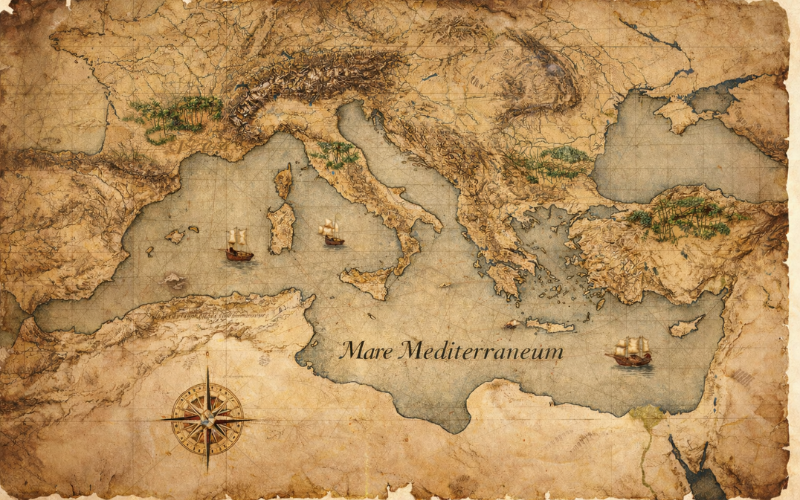
Greece was the next important stage for wine due, in large part, to the economic relations that the Egyptians maintained at that time with the Cretans, although there is also the hypothesis that the vine arrived through Asia Minor or Thrace. The truth is that in the middle of the year 2,000 BC, wine was a star product and the cultivation of the vine was deeply rooted throughout the country. The wine culture spread throughout the Greek colonies in the Mediterranean, reaching southern Italy and also France.
For their part, the Romans were the other great supporters of the spread of viticulture, specifically throughout Europe, in addition to developing new winemaking techniques that have helped make wine the drink we all know. This expansion, throughout Europe, made the wines of Burgundy, Bordeaux, Champagne, Rioja, Priorat or the Moselle what they are today. After the Romans, the great developers of viticulture were the Cistercian monks, between the 10th and 11th centuries. The monastic dedication to viticulture meant that, in the following centuries, viticulture grew and was refined until it reaches the present day.
Finally, I would point out a final era, much more modern and with a different perspective. This dates back to the last quarter of the 20th century. It is at this time when viticulture becomes purest; the true transformation of grapes into alcohol. I think that, currently, we are experiencing a very The development of viticulture began thousands of years ago, with reliable indications that important moment in the evolution of wine. So let’s enjoy it.